Needlepoint is one of the most accessible and rewarding forms of decorative embroidery, combining structure with creativity in a way that appeals to both beginners and experienced crafters. Unlike other forms of stitching, needlepoint is worked on an open-weave canvas, where stitches are placed over a grid rather than through tightly woven fabric. This structure makes it easier to learn while still allowing for intricate, detailed designs.
At its core, needlepoint is built on a simple concept: covering a canvas with stitches to create a pattern or image. The most commonly used stitch is the tent stitch, which includes variations like the continental and basketweave stitches. These stitches are easy to learn and form the foundation for nearly all beginner projects. More advanced stitchers may incorporate decorative stitches that add texture and dimension, but mastery of the basics is all that’s needed to get started.
The materials required for needlepoint are relatively minimal. A piece of needlepoint canvas is the foundation, typically made from cotton or linen and available in different mesh sizes. Beginners often find 13-mesh or 14-mesh canvas easiest to work with, as the holes are large enough to see clearly without being overly bulky. A blunt-tipped tapestry needle is used to pass thread through the canvas without splitting fibers, and yarn or thread—commonly wool, cotton, or silk—is selected based on the desired texture and finish.
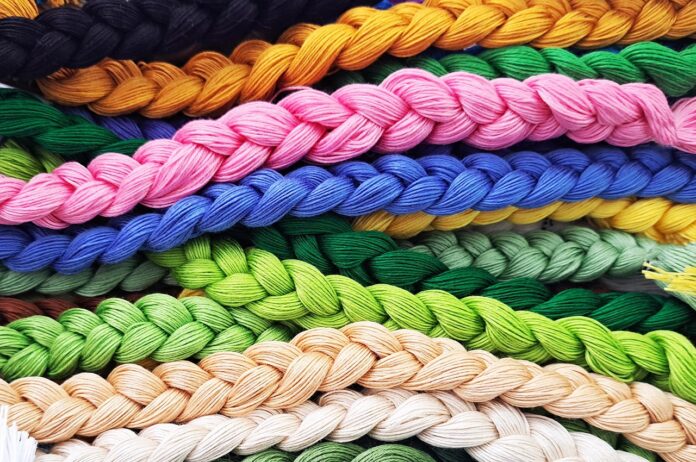
Choosing the right thread can significantly impact the final result. Wool is a traditional choice and is durable and forgiving, making it ideal for beginners. Cotton thread offers a smoother, more matte appearance, while silk provides a high-end sheen and finer detail. Many starter kits include pre-selected threads, which removes the guesswork and ensures proper coverage of the canvas.
For those just starting out, a kit is often the best entry point. Needlepoint kits typically include a pre-printed canvas, threads, a needle, and instructions. The printed design serves as a guide, allowing beginners to focus on learning stitches rather than interpreting complex charts. As confidence grows, many stitchers transition to counted needlepoint, where patterns are followed using charts instead of printed canvases.
Getting started involves a few straightforward steps. First, secure the canvas to a frame or stretcher bars if desired. While not strictly necessary, this helps maintain even tension and prevents warping. Thread the needle with a comfortable length of yarn—usually about 18 inches—to avoid tangling. Begin stitching in a small area, following the design or pattern, and work consistently in the same direction to maintain a uniform look.
One of the most important techniques to develop early is proper tension. Pulling stitches too tightly can distort the canvas, while loose stitches may appear uneven or snag easily. With practice, maintaining consistent tension becomes second nature. It’s also helpful to periodically step back and view the work from a distance to ensure even coverage and alignment.
Mistakes are a normal part of the process and are generally easy to correct. Because needlepoint uses an open canvas, stitches can be gently removed with minimal damage to the material. This forgiving nature makes it particularly appealing for beginners who may be hesitant to try other forms of embroidery.
Finishing is the final step in any needlepoint project. Once stitching is complete, the piece is typically blocked to restore its shape, then finished into a functional or decorative item. Common finishing options include pillows, framed artwork, ornaments, or accessories like belts and handbags. Many crafters choose to send their completed canvases to professional finishers, though simple projects can be completed at home with basic sewing skills.
Needlepoint also offers a meditative quality that many people find deeply satisfying. The repetitive motion of stitching can be calming, while the gradual emergence of a design provides a sense of accomplishment. In a fast-paced world, it serves as a tangible, hands-on activity that encourages patience and focus.
For anyone interested in trying a new creative hobby for a lifestyle change, needlepoint is an excellent place to start. With minimal materials, a gentle learning curve, and endless design possibilities, it provides both immediate enjoyment and long-term creative growth.