Choosing the best toys for autistic children requires more than simply picking what is popular or labeled “educational.” Autism is a spectrum, which means children have widely different needs, sensitivities, and strengths. The most effective toys are those that support development while respecting how a child experiences the world—especially in areas like sensory processing, communication, motor skills, and social interaction.
A key principle is that good toys should meet the child where they are. Some children seek sensory input, while others are easily overwhelmed by it. Some are highly verbal, while others rely more on visual or tactile communication. The right toy aligns with these preferences rather than trying to force a specific type of play.
Sensory toys are often among the most beneficial. Many autistic children benefit from controlled sensory input that helps them regulate emotions and maintain focus. Items like textured balls, fidget tools, kinetic sand, and soft putty can provide calming, repetitive motion. For children who seek movement, spinning or light-up toys may be engaging, while those sensitive to noise may prefer quiet, tactile experiences. The goal is not just entertainment but helping the child feel more balanced and comfortable.
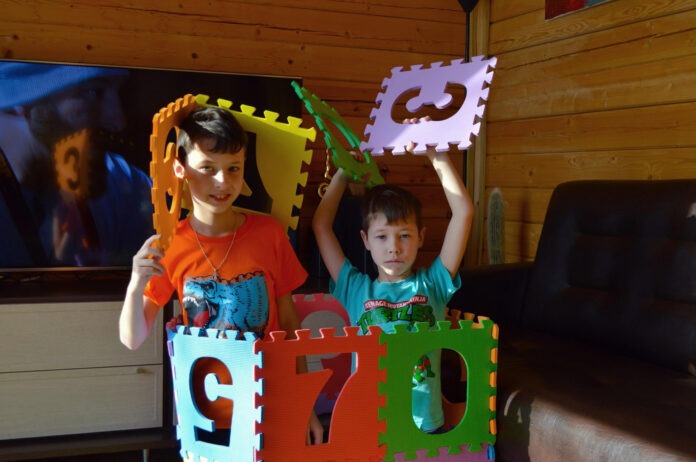
Toys that support language and communication development are also important. Visual-based learning tools—such as picture cards, matching games, and simple spelling boards—can help children connect words with objects and concepts. These are particularly useful for visual learners, which many autistic children are. Toys that encourage labeling, sorting, or identifying objects can gently build vocabulary and comprehension without overwhelming the child.
Building toys and puzzles are excellent for developing fine motor skills and problem-solving abilities. Blocks, magnetic tiles, and shape sorters encourage creativity while also strengthening hand-eye coordination. These toys provide structure and predictability, which many autistic children find reassuring. Completing a puzzle or building a structure can also give a clear sense of accomplishment.
Cause-and-effect toys are another strong category, especially for younger children or those still developing attention and interaction skills. Toys that respond with lights, sounds, or movement when a button is pressed help reinforce understanding of actions and consequences. This type of play can also encourage exploration and independent engagement.
For social and emotional development, structured games can be helpful when introduced gradually. Turn-taking games, simple board games, or conversation-based activities can teach skills like sharing attention, recognizing emotions, and responding to others. These experiences are often more effective when guided by an adult at first, creating a safe and predictable environment for interaction.
It is also important to consider what to avoid. Overly complex toys with too many features can be overwhelming and may reduce engagement rather than increase it. Loud or unpredictable sounds can cause distress for some children. Safety is another concern—small parts or materials that can expand or break apart easily should be avoided, especially for younger children.
Ultimately, the best toys for autistic children are those that are simple, adaptable, and aligned with the child’s interests. A toy that captures a child’s attention and encourages repeated, meaningful interaction is far more valuable than one designed to do everything at once. Parents and caregivers often find that observing how a child plays—and adjusting choices accordingly—is the most reliable way to build a supportive and enriching play environment.