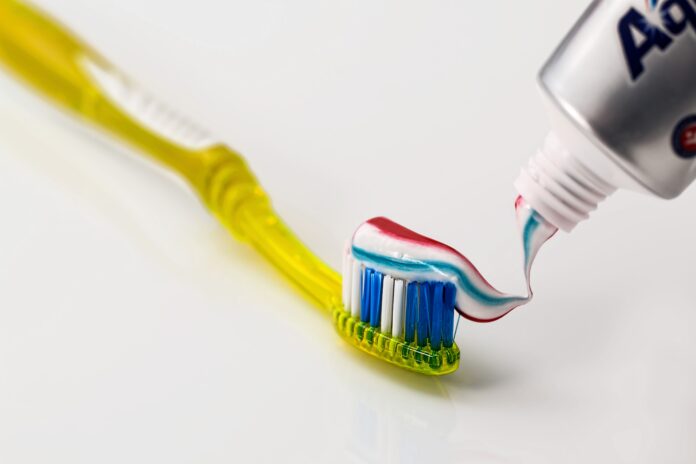
Walk down any oral‑care aisle and you’ll see it: dozens of toothpaste tubes promising whiter teeth, fresher breath, stronger enamel, fewer cavities, and a dazzling smile worthy of a toothpaste commercial. It’s no wonder choosing the “best” toothpaste can feel overwhelming.
The truth is, the right toothpaste isn’t about the flashiest packaging—it’s about matching your specific needs with the right ingredients. Here’s how to do that with confidence.
Start With the Non‑Negotiable: Fluoride
Fluoride is the backbone of effective toothpaste. It helps:
- Strengthen enamel
- Prevent cavities
- Remineralize early tooth decay
Unless your dentist has told you otherwise, fluoride toothpaste is the gold standard for everyday use.
Match the Toothpaste to Your Needs
Different formulas target different concerns. Here’s how to choose based on what matters most to you.
1. For Cavity Prevention
Look for:
- Fluoride (sodium fluoride, stannous fluoride, or monofluorophosphate)
- ADA Seal of Acceptance
This is the safest, most universal choice.
2. For Sensitive Teeth
Choose toothpaste labeled “sensitivity relief” with ingredients like:
- Potassium nitrate
- Stannous fluoride
These help calm nerve pathways and reduce discomfort over time.
For Whitening
Whitening toothpastes don’t bleach teeth—they remove surface stains. Look for:
- Mild abrasives (silica)
- Hydrogen peroxide (in some formulas)
Avoid anything that feels gritty or overly abrasive, especially if you have sensitivity.
For Gum Health
If bleeding or inflamed gums are a concern, look for:
- Stannous fluoride
- Antibacterial agents like triclosan (less common today) or essential oils
And remember: toothpaste helps, but brushing technique matters just as much.
For Bad Breath
Look for:
- Zinc compounds
- Essential oils
- Chlorine dioxide
These neutralize odor-causing bacteria rather than just masking smells.
Consider Texture, Flavor, and Form
Toothpaste isn’t one‑size‑fits‑all. You might prefer:
- Gel vs. paste
- Mint vs. mild flavors
- Foaming vs. low‑foam formulas
- Natural or herbal options
Natural toothpastes can be great, but make sure they still contain fluoride if cavity protection is important to you.
Check for the ADA Seal
The American Dental Association Seal of Acceptance means:
- The product is safe
- The claims are backed by scientific evidence
- The ingredients meet professional standards
It’s a simple way to filter out questionable products.
Know What to Avoid
A few red flags:
- Toothpaste without fluoride (unless recommended by a dentist)
- Extremely abrasive formulas
- Products making dramatic claims without evidence
- Whitening pastes that cause sensitivity after a few uses
If something feels harsh or irritating, switch it out.
When in Doubt, Ask Your Dentist
Everyone’s mouth is different. If you have:
- Braces
- Dental restorations
- Chronic sensitivity
- Gum disease
- Frequent cavities
Your dentist can recommend a formula tailored to your situation.
Final Thoughts
The best toothpaste isn’t the most expensive or the trendiest—it’s the one that supports your oral health goals and feels good to use every day. Once you understand what the ingredients do and what your mouth needs, choosing the right tube becomes surprisingly simple.
If you want, I can help you compare different types of toothpaste, break down ingredient labels, or create a personalized oral‑care routine.