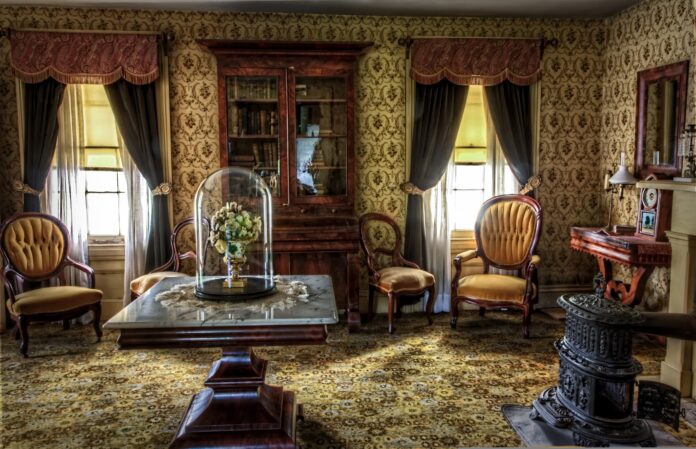
Vintage furniture shopping is one of those rare pursuits where creativity, sustainability, and treasure‑hunting collide. Whether you’re furnishing a new space or adding character to a room that feels a little too “catalog,” vintage pieces bring soul and history that new items simply can’t replicate. But knowing how to shop smartly—without getting overwhelmed or overcharged—makes all the difference.
Below is your roadmap to navigating the world of vintage furniture with confidence and a sharp eye.
Start With a Vision (But Keep an Open Mind)
Before you step into a thrift store or scroll through an online marketplace, take a moment to define your style. Are you drawn to mid‑century modern lines, ornate Victorian details, rustic farmhouse textures, or sleek Art Deco silhouettes?
A few tips to clarify your vision:
- Create a mood board with colors, shapes, and materials you love.
- Identify the pieces you actually need—so you don’t end up with a third “just in case” side table.
- Know your measurements. A gorgeous dresser that doesn’t fit through your doorway is just heartbreak waiting to happen.
Still, don’t get too rigid. The best vintage finds often surprise you.
Know Where to Look
Vintage furniture hides in all sorts of places. Each source has its own personality:
Thrift Stores
Great for bargains and unexpected gems. Inventory changes constantly, so visit often.
Estate Sales
High-quality pieces at reasonable prices, especially if you go on the last day when discounts kick in.
Flea Markets
Perfect for browsing a wide range of styles in one place. Bring cash and be ready to negotiate.
Antique Shops
Curated, pricier, but often well-maintained. Ideal for investment pieces.
Online Marketplaces
Facebook Marketplace, Craigslist, Chairish, and Etsy offer convenience and variety. Just be cautious about condition and authenticity.
Inspect Before You Buy
Vintage charm is wonderful; structural issues are not. Here’s what to check:
1. Construction Quality
- Look for dovetail joints, solid wood, and sturdy frames.
- Avoid pieces made with flimsy particleboard unless the price and purpose justify it.
2. Condition
Some wear is part of the appeal, but:
- Check for wobbling, cracks, water damage, or mold.
- Test drawers and doors.
- Sit on chairs and sofas to assess comfort and stability.
3. Odor
Musty smells can sometimes be removed—but not always. Trust your instincts.
4. Authenticity
If you’re paying for a specific era or designer, research labels, stamps, and construction methods.
Master the Art of Negotiation
Haggling isn’t rude—it’s expected in many vintage settings. A few guidelines:
- Be polite and friendly.
- Ask, “Is this your best price?”
- Point out flaws respectfully if they justify a discount.
- Have a number in mind before you start.
Most sellers appreciate informed buyers who negotiate with kindness.
Think About Restoration Potential
A piece doesn’t have to be perfect to be worth buying. Many vintage items can be revived with:
- New hardware
- Fresh upholstery
- Sanding and refinishing
- A coat of paint (though purists may prefer original finishes)
Just be realistic about the time and cost involved. Sometimes a “cheap” fixer-upper becomes more expensive than a ready-to-use piece.
Plan for Transport
Vintage furniture is often heavy, oddly shaped, or fragile. Before you buy:
- Measure your vehicle.
- Bring blankets, straps, or a friend with strong arms.
- Ask sellers if they offer delivery—many do, especially online.
Embrace the Sustainability Factor
One of the best parts of buying vintage is knowing you’re giving new life to something that already exists. It’s eco-friendly, budget-friendly, and style-forward all at once.
Final Thoughts
Shopping for vintage furniture is less about perfection and more about discovery. The scratches, patina, and quirks tell a story—and now you get to add your chapter. With a little patience and a curious eye, you’ll find pieces that make your home feel uniquely yours.