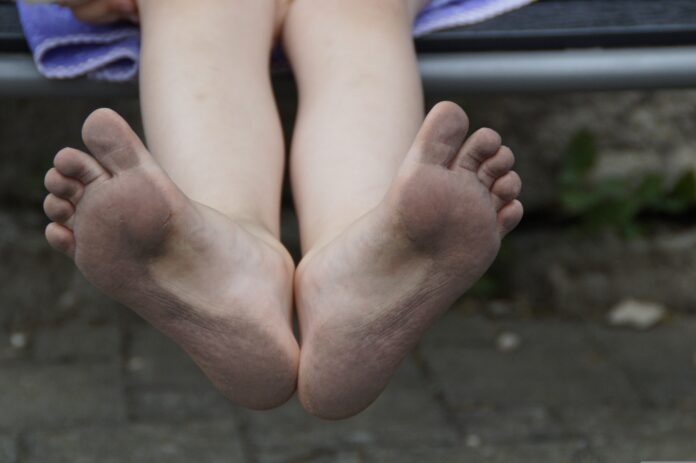
Foot calluses are incredibly common—especially if you spend a lot of time walking, standing, or wearing shoes that rub in all the wrong places. While they’re usually harmless, they can become uncomfortable or unsightly. On social media, you may be seeing videos where non-professionals remove foot calluses with tools that may not be safe. Understand, the key is removing them safely, without damaging the skin or causing infection.
Here’s a thoughtful, step‑by‑step guide to managing calluses at home in the safest way possible.
Step 1: Soak Your Feet
Softening the skin is the foundation of safe callus care.
Try:
- Warm (not hot) water
- A 10–15 minute soak
- Optional additions like mild soap or Epsom salt
This helps loosen the thickened skin and makes the next steps gentler.
Step 2: Exfoliate Gently
Once the skin is softened, you can reduce the callus gradually.
Safe tools include:
- A pumice stone
- A soft foot file
- A washcloth for very mild exfoliation
Tips:
- Use light, circular motions
- Never forcefully scrape or cut the skin
- Stop if you feel pain or see redness
The goal is gradual improvement, not instant perfection.
🧴 Step 3: Moisturize Consistently
Hydrated skin is less likely to form thick calluses.
Look for:
- Creams with urea
- Lotions containing lactic acid
- Thick, nourishing moisturizers
Apply after bathing or before bed to lock in moisture.
Step 4: Address the Cause
Calluses form because of friction or pressure. Reducing that stress helps prevent them from returning.
Consider:
- Wearing properly fitted shoes
- Using cushioned insoles or pads
- Rotating footwear
- Avoiding high heels for long periods
Small adjustments can make a big difference.
What Not to Do
Some methods can cause more harm than good.
Avoid:
- Cutting calluses with blades or scissors
- Using harsh razors
- Applying strong chemical removers without guidance
- Over‑filing, which can lead to soreness or infection
If something feels too aggressive, it probably is.
When to Seek Professional Help
Some situations call for expert care. A podiatrist can safely remove calluses and address underlying issues.
Reach out to a professional if you notice:
- Painful or very thick calluses
- Cracks or bleeding
- Signs of infection
- Diabetes or circulation issues (always get professional guidance before treating foot problems)
Your feet work hard for you—sometimes they need specialized attention.
Final Thoughts
Removing a foot callus safely is all about patience, gentleness, and prevention. With regular soaking, light exfoliation, and good foot care habits, you can keep your skin smooth and comfortable without risking injury. Think of it as part of a simple self‑care ritual that keeps you moving comfortably through your day.